
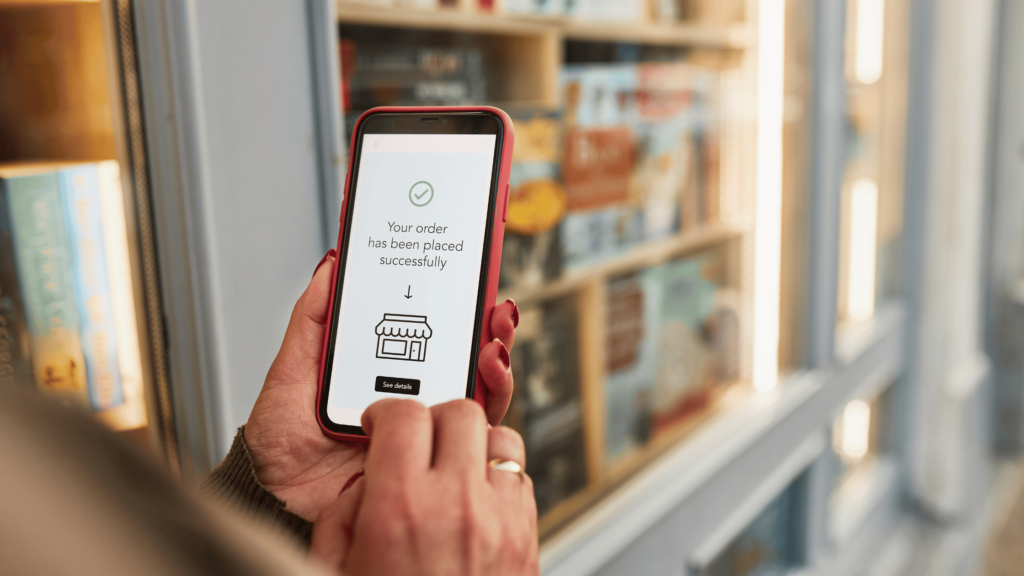
Ordering products from unknown Chinese websites can offer significant savings and access to unique items. However, this approach also carries potential risks like scams, counterfeit products, or financial fraud. Learning how to safely navigate these websites can help you enjoy the benefits while minimizing risks. This guide provides clear, practical steps to safely order from unknown Chinese websites without falling victim to scams.
Research the Website Thoroughly
Before placing any orders, thorough research on the website is essential. Look into:
- Online Reviews: Check independent review sites, forums, and social media platforms for feedback about the website.
- Domain Age: Use domain-checking tools to see how long the website has existed; newly created sites may pose greater risks.
- Contact Information: Legitimate websites provide clear and accessible contact details like phone numbers, email addresses, or physical addresses.
Conducting thorough research helps you gauge credibility and reduces the likelihood of encountering fraudulent sites.
Verify the Security Features
Ensuring the website has proper security measures protects your personal and financial information:
- HTTPS Security: Look for the “https://” prefix and a padlock icon in the URL, indicating secure encryption.
- Privacy Policy: Reputable websites clearly state their privacy policies, outlining how they handle customer data.
- Secure Payment Gateway: Trusted payment gateways such as PayPal or recognized credit card processors add a layer of financial security.
Confirming robust security measures significantly decreases the risk of data theft or financial fraud.
Scrutinize Product Listings Carefully
Misleading product descriptions or counterfeit goods can be common pitfalls. To avoid these:
- Detailed Descriptions and Images: Genuine sellers typically provide detailed product descriptions and high-quality images from multiple angles.
- Realistic Pricing: Be cautious of products priced significantly lower than typical market values; extremely low prices often indicate scams or fake products.
- Customer Reviews and Ratings: Check feedback directly on product pages. Genuine reviews, especially those with photos, provide authentic insights into product quality.
Careful scrutiny of product details helps ensure you receive exactly what you expect.
Use Trusted Payment Methods
Payment methods offer varying levels of buyer protection. Opt for methods that minimize risk:
- PayPal: Offers buyer protection and dispute resolution services.
- Credit Cards: Many credit cards provide fraud protection and dispute resolution.
- Avoid Direct Bank Transfers: Avoid methods that provide no recourse, such as direct bank transfers or Western Union payments.
Selecting trusted payment methods significantly enhances your financial security.
Understand Shipping and Return Policies
Clear and reasonable shipping and return policies indicate reliable and customer-oriented businesses:
- Transparent Shipping Costs: Ensure the website clearly displays shipping costs and expected delivery timelines.
- Return and Refund Policies: Legitimate websites clearly outline processes for returns, exchanges, or refunds.
- Tracking Information: Websites that provide reliable tracking information are typically more trustworthy.
Familiarizing yourself with these policies ensures clarity and minimizes potential disputes or disappointments.
Test with a Small Order First
When uncertain, start with a small test order to evaluate the reliability and quality of the website:
- Low-Value Item Purchase: Ordering a low-cost item minimizes risk and allows you to test the entire purchase process safely.
- Evaluate the Entire Experience: Consider the ease of purchase, communication, shipping time, packaging quality, and product authenticity.
Conducting an initial test order gives you valuable firsthand experience before making larger investments.
Stay Alert for Red Flags
Remaining vigilant for common signs of scams can help prevent fraud:
- Too Good to Be True Deals: Offers significantly below market price may indicate counterfeit or nonexistent products.
- Poor Website Design and Grammar Errors: Professional, legitimate websites typically invest in good website design and proofreading.
- Pushy or Aggressive Tactics: Beware of sites pressuring immediate purchase or offering unrealistic guarantees.
Recognizing and avoiding these warning signs further safeguards your online shopping experience.
Maintain Clear Records and Documentation
Keeping detailed records and documentation of your purchases protects you in case of disputes:
- Screenshots and Order Confirmations: Save order confirmations, payment receipts, and product descriptions.
- Correspondence: Maintain records of any communications with sellers.
- Tracking Information: Keep shipping tracking numbers and delivery confirmations.
Clear records help resolve potential issues effectively and efficiently.
Use Third-Party Verification Tools
Third-party verification services provide additional peace of mind when shopping from unknown websites:
- Website Verification Tools: Services like Trustpilot, ScamAdvisor, or SiteJabber offer ratings and insights into website credibility.
- Fraud Detection Tools: Browser extensions or online tools that detect potential fraud risks on unfamiliar websites.
Leveraging third-party verification tools can significantly reduce the risk of falling prey to scams.
Conclusion
Safely ordering from unknown Chinese websites involves careful research, secure payment methods, vigilant assessment of products, and awareness of potential red flags. By applying these practical steps and maintaining clear documentation, you significantly reduce the risks associated with online international shopping. Enjoy the benefits of global commerce confidently, knowing you have the knowledge and tools to protect yourself from scams and secure genuine, satisfying purchases.
Related Posts

Choosing the Right Shipping Method from China: Protect Your Goods Every Step of the Way
Shipping goods from China is a critical step in international…

Integrating News Feeds and Local Market Data into MT5 Web Terminal for Ghana Traders
In the fast-paced world of Forex trading, Ghanaian traders face…

How to Choose the Right Promotional Products Company to Boost Your Brand Visibility
Promotional products are powerful marketing tools that effectively enhance brand…